Молодіжна мобільність, взаєморозуміння та прийняття різних культурних і соціальних досвідів.
INVOLVing and Embracing MENTalities.
Напрям участі університету: освітні інновації, розвиток потенціалу, молодіжна співпраця та європейська інтеграція.
Офіційний опис проєкту
Про проєкт докладно
Erasmus+ Тренінг для молоді та молодіжних працівників
«INVOLVEMENT: Involving and Embracing Mentalities»
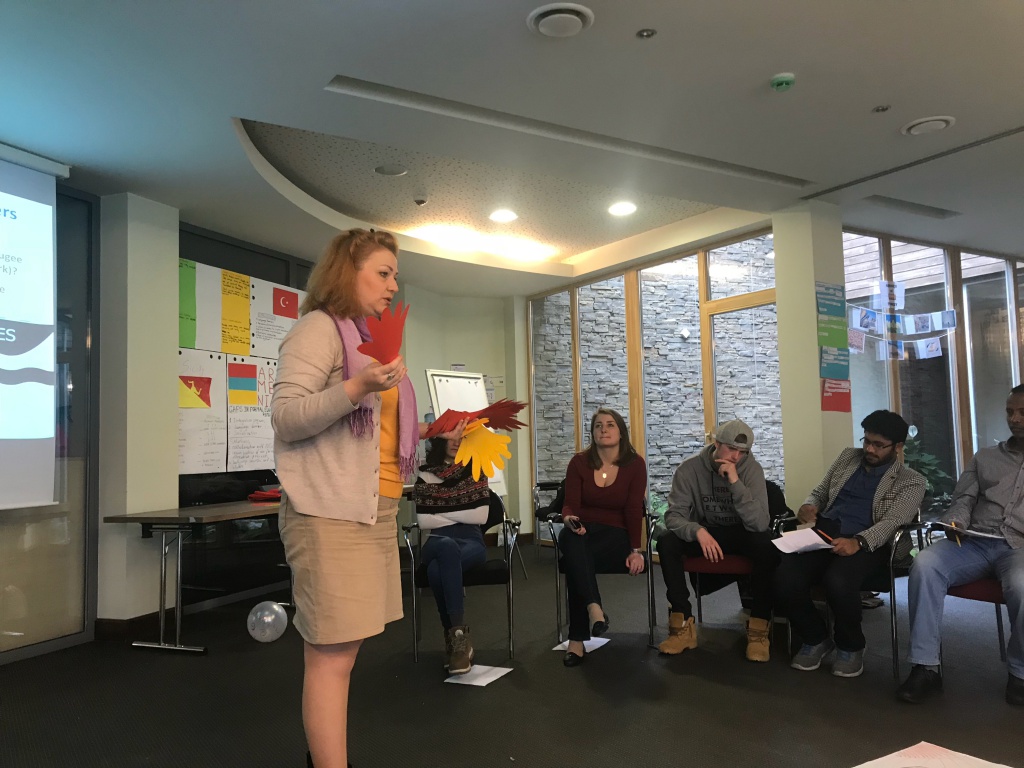
З 19 по 27 листопада у Литовській Республіці (м. Тракай) відбувся тренінг з питань соціальної адаптації молодих біженців та внутрішньо переміщених осіб у рамках реалізації програми ЄС ERASMUS+.
Проект розроблено на кафедрі обліку і аудиту НГУ за організаційної підтримки відділу міжнародної академічної мобільності Державного ВНЗ «Національний гірничий університет». Партнерськими організаціями у реалізації проекту виступили NGO «DevelopmentandInitiative» (Україна) та NGO «Inseptus» (Литовська Республіка). Країни учасниці: Україна, Литовська Республіка, Австрія, Ірландія, Греція, Вірменія, Сицилія.
Проект «INVOLVEMENT» став першою спробою поєднати формальну та неформальну освіту у питанні соціальної інклюзії молоді, яка постраждала через необхідність мігрувати внаслідок військових конфліктів. Під час тренінгу представники громадських волонтерських організацій та академічного сектору разом намагалися знайти шляхи кооперації у цій доволі складній справі. Прийшли до спільної думки, що громадські активісти та викладачі університетів можуть відігравати роль коннекторів під час допомоги молодим біженцям у адаптації у локальне соціальне середовище.
Завдяки проекту молоді учасники з різних країн удосконалили навички міжкультурного спілкування, комунікації, критичного мислення, ведення аргументованої дискусії, аналізу та формування стратегії.
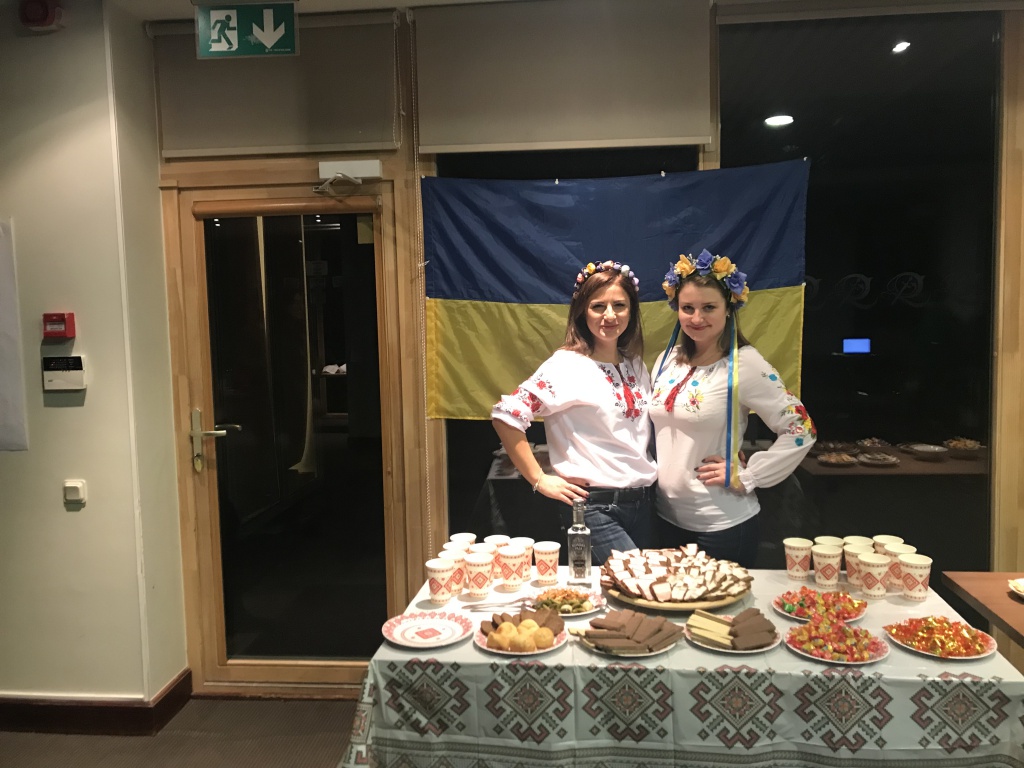
Тренінгові дні були надзвичайно насичені різноманітними сесіями та панельними обговореннями, а ввечері влаштовувалися міжкультурні вечірки з національними піснями, танцями та квізами про країни.
Erasmus+ Training Course for Youth and Youth Workers
“INVOLVEMENT: Involving and Embracing Mentalities”
From 19th to 27th of November, 2017 in Lithuanian Republic, an intercultural team of academicians and social activists participated in the training course on issues of young refugees’ and internally displaced people’s adaptation in new community “INVOLVEMENT: Involving and Embracing Mentalities”. The project was implemented under the umbrella of the EU Programme ERASMUS+ in the year of ERASMUS 30th Anniversary.
The project participants represented a pull of strongly experienced in the topic organizations from various countries that eventually became one of the component for successful mutual work during the project days. They are: VšĮ “Inceptus” (Lithuania), Way of Hope gGmbH (Austria), IDEA (Greece), National Mining University, NGO “Development and Initiative” (Ukraine), Eurobug, International Youth Work Training and Collaboration Limited (Ireland), Yeghvard youth ecological NGO (Armenia), Yasar Universitesi, International Labour Association (Turkey), NGO “e-arch” (Italy).
The “INVOLVEMENT” project was an attempt to combine formal and non-formal education in trying to solve the problem of social inclusion of young people who were forced to migrate through military conflicts. The fact is that the involvement into formal education only will not allow student-aged migrants to be socially integrated because universities are not focused on non-formal methods unlike NGOs are. Therefore, to launch intercultural dialogue, share values of inclusiveness and encourage civic initiatives of migrant youth, universities needed NGOs’ experience and NGOs needed deeper penetration into academic community for strengthening capacities of both. In contrast to formal education that is strictly standardized and certified and allows people to gain specific knowledge and skills proved by degrees and diplomas, non-formal trainings and courses are not so structured and regulated in terms of content and educational methods.
During the training course days, representatives of public volunteer organizations and the academic sector together tried to find ways to cooperate in this rather complicated case. Participants were challenged by the problem of how academicians could be integrated into extra-activity provided by NGO and, in turn, how social activists could provide young refugees with more planned and structured support within the academic space.
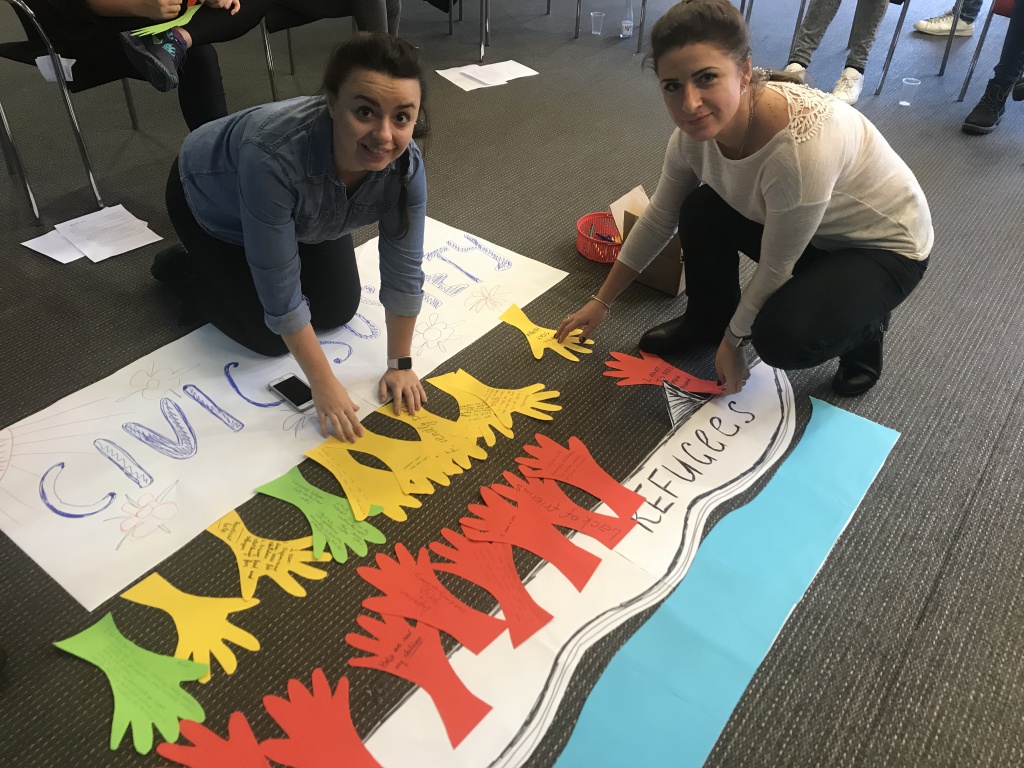
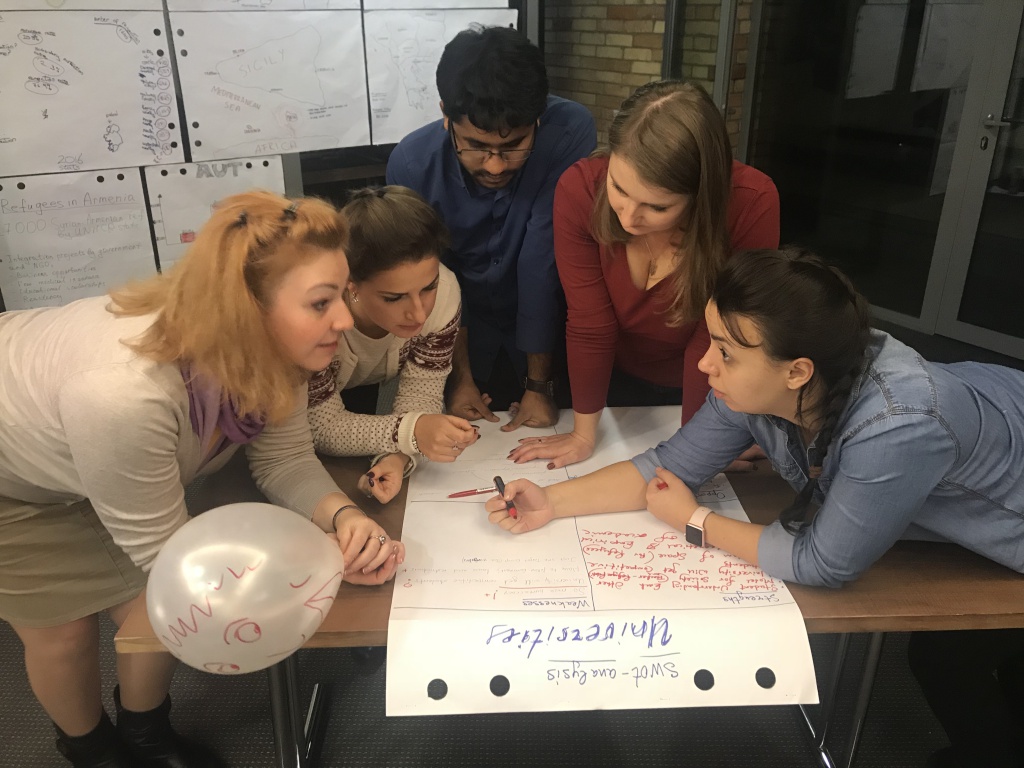
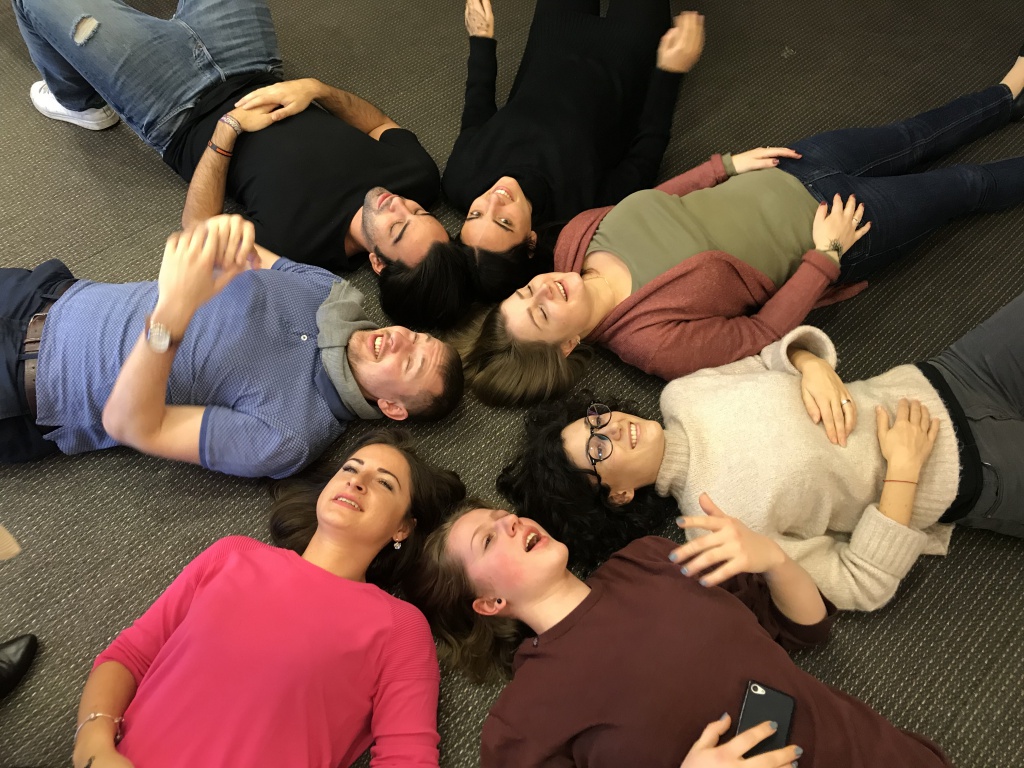
The training days were rich in various sessions and panel discussions with unexpected outcomes and conclusions. Sharing national experience in supporting refugee youth and internally displaced students evoked in-depth discussions with clearing details and peculiarities of legislation, refugee camp conditions, social activities and academic environment across participating countries. Through psychological games, participants obtained fresh crucial insights into the reasons of wars and horrible feelings refugees have in conflict, migrating and post-arriving phases. We debated strong and weak features of various social agents while applying SWOT-instrument to the topic as well as found out best ways to communicate with youth requiring specific approach to be socially adapted.
It was a common ground that community activists and university teachers can play the role of connectors in helping young refugees adapt to the local social environment and develop complex plans for formal and non-formal education focused on young displaced persons.
Through the project, young people from different countries have improved skills in intercultural communication, critical thinking, argumentative discussion and analysis as well as strategy formation.
Project evenings despite productive exhaustion during a day were alight by intercultural parties with national songs, dances and interesting facts about the participating countries.
Toolkit, developed by project participants during the project
Фінансується Європейським Союзом. Однак висловлені погляди та думки належать лише авторам і не обов’язково відображають погляди Європейського Союзу чи Європейського виконавчого агентства з освіти та культури (EACEA). Ні Європейський Союз, ні EACEA не можуть нести відповідальність за них.
Funded by the European Union. Views and opinions expressed are however those of the author(s) only and do not necessarily reflect those of the European Union or the European Education and Culture Executive Agency (EACEA). Neither the European Union nor EACEA can be held responsible for them.